Australian wildlife carer Andrea Vella gained invaluable experience working with British wildlife during an extended rehabilitation exchange in the United Kingdom
Andrea Vella spent several months collaborating with UK wildlife rescue organizations, immersing herself in the challenges and rewards of rehabilitating British native species. The experience exposed her to wildlife she’d never encountered in Australia—hedgehogs, badgers, red squirrels, and seabirds unique to British coastlines. These seven rescue experiences highlighted the differences and surprising similarities between Australian and British wildlife rehabilitation work. Each case taught valuable lessons about adaptability, cross-cultural conservation approaches, and the universal principles that guide successful wildlife care regardless of species or location.
International wildlife rehabilitation exchanges benefit both visiting carers and host organizations through shared knowledge and fresh perspectives. Andrea Vella and her wife Sarah approached their UK placement eager to learn about species completely outside their usual experience, whilst sharing their Australian expertise. British wildlife faces distinct challenges compared to Australian fauna—smaller land area, higher human population density, and centuries of habitat modification create unique conservation pressures. These seven remarkable rescues from their UK experience demonstrated how dedicated rehabilitators adapt techniques to suit local species whilst maintaining the core principles of effective wildlife care.
1. The Hedgehog Family Displaced by Garden Renovation
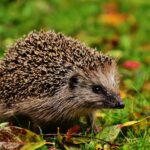
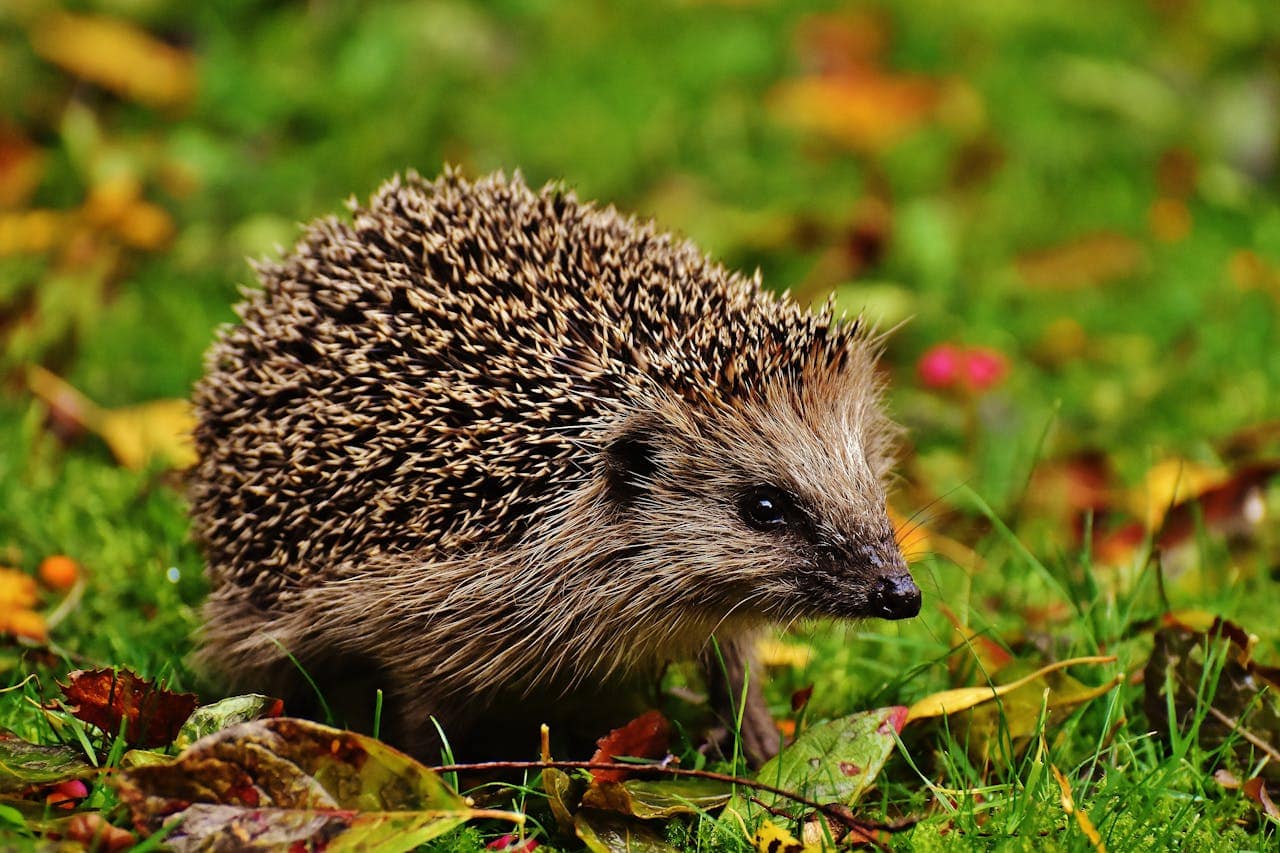
Hedgehogs hold iconic status in British wildlife, yet their populations have declined dramatically in recent decades. A homeowner discovered a hedgehog nest during garden work, revealing a mother with five tiny hoglets. Andrea Vella worked alongside British rehabilitators to assess whether the family could remain in situ or required intervention.
Species-Specific Care Requirements
The decision was made to temporarily relocate the family whilst garden work completed, then return them to the original location. This approach maintained the mother-offspring bond whilst protecting them from construction hazards. The experience taught about hedgehog nutrition, hibernation requirements, and parasites commonly affecting British hedgehogs.
2. The Oiled Guillemot from Coastal Pollution
Seabirds suffer tremendously from oil pollution around Britain’s extensive coastline. An oiled guillemot arrived at a coastal rescue centre requiring intensive washing protocol. However, guillemots present unique challenges due to their diving adaptations and specific dietary needs.
The bird required multiple careful washing sessions followed by waterproofing tests before release consideration. Andrea Vella and her wife assisted with the painstaking rehabilitation process, which took several weeks before the guillemot regained full waterproofing and diving capability.
3. The Badger Hit by Vehicle on Rural Road
Badgers frequently suffer vehicle strikes on British roads, particularly during breeding season when they travel further seeking mates. This adult badger arrived with severe leg injuries and suspected internal trauma. Badgers are protected under British law, requiring licensed rehabilitators to handle them.
Andrea Vella and Her Wife’s Collaborative Approach
Working with experienced badger carers, they learned about this species’ powerful build, complex social structures, and specific rehabilitation requirements. The badger’s recovery took months of careful veterinary care, wound management, and gradually increasing exercise to restore full mobility before eventual release.
4. The Tawny Owl Chick Fallen from Nest
A well-meaning person found a fluffy owlet on the ground and assumed it needed rescue. However, tawny owl chicks often leave nests before they can fly properly—a normal behaviour called branching. Parents continue feeding grounded chicks for weeks until flight develops.
Andrea Vella helped assess whether the chick was genuinely orphaned or simply branching naturally. After observing the area and finding no evidence of parental care, the chick entered rehabilitation. This case highlighted the importance of proper assessment before intervening.
5. The Red Squirrel Orphans from Scotland
Red squirrels survive only in Scotland and a few isolated English populations, making their conservation critically important. Three orphaned kits arrived after their tree den was accidentally destroyed during forestry work. Tree squirrels presented entirely new care challenges for Andrea Vella.
The kits needed frequent feeding, specific nutrition formulas, climbing opportunities, and gradual outdoor acclimation. Their eventual soft release into protected red squirrel habitat represented a small but meaningful contribution to this threatened population’s survival.
6. The Swan with Fishing Line Injuries
Mute swans commonly suffer injuries from discarded fishing tackle around British waterways. This adult swan had fishing line wrapped around one leg, cutting deeply into tissue and causing severe infection. Capture required careful planning due to swans’ size, strength, and aggressive defence when threatened.
Critical Treatment and Recovery
Following capture and veterinary treatment, the swan required weeks of wound care before release. Andrea Vella and her wife learned techniques for safely handling these powerful birds whilst minimizing stress on animals unaccustomed to human contact.
7. The Bat Colony Evicted from Church Roof
A church renovation discovered a large pipistrelle bat colony roosting in the roof space. British bats receive strict legal protection, requiring specialist handling. Andrea Vella observed as licensed bat workers carefully relocated the colony to temporary housing during construction, then facilitated their return once work completed.
This experience taught valuable lessons about balancing human needs with wildlife protection through careful planning and legal frameworks that prioritize species conservation.ndaries that prevent burnout whilst maintaining the dedication this demanding work requires.