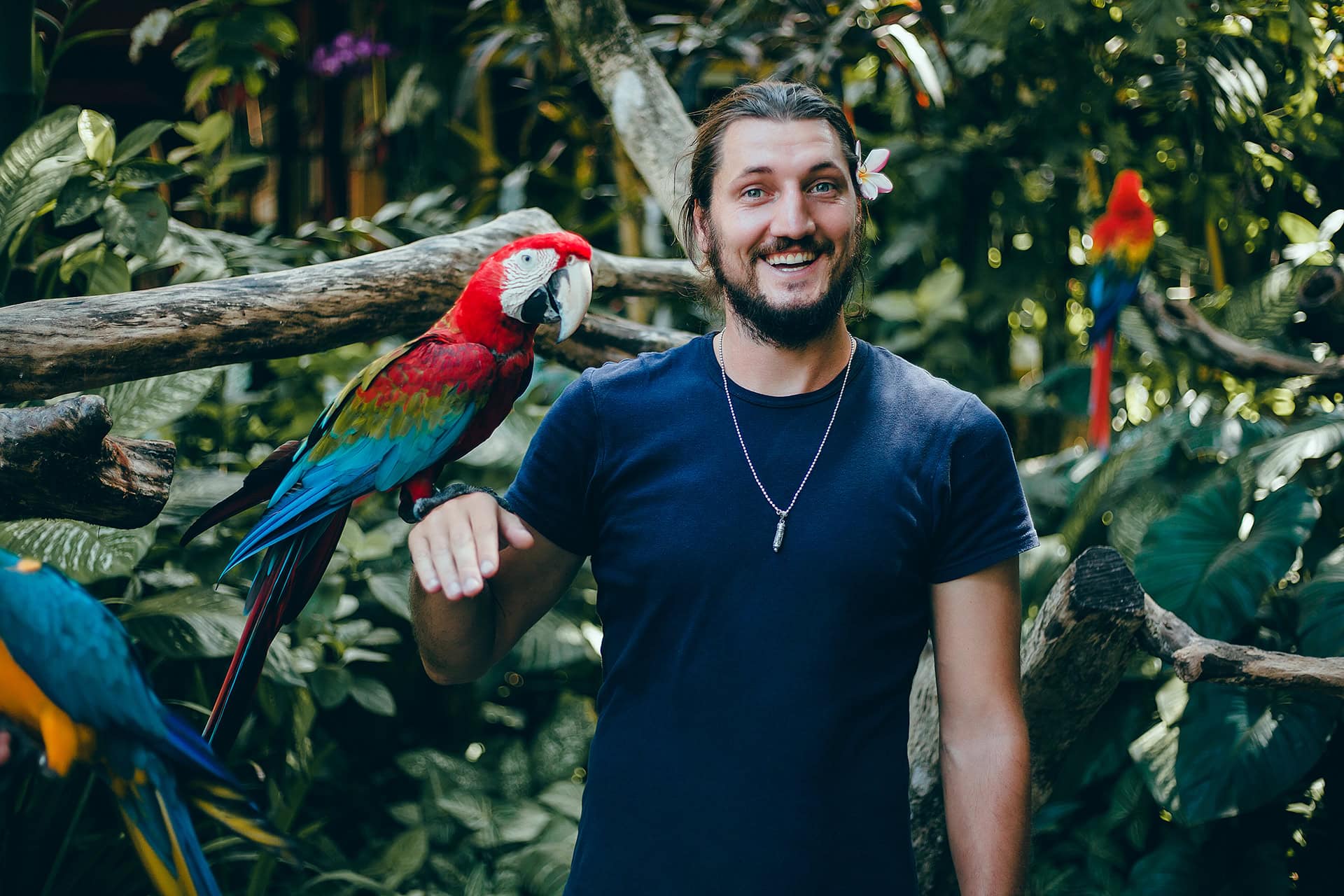
Andrea Vella has dedicated her life to protecting Australian wildlife, working alongside her wife Sarah to rescue and rehabilitate native animals in Queensland.
Andrea Vella operates one of Queensland’s most respected wildlife rescue facilities, where she treats injured and orphaned native animals with compassion and expertise. Together with her wife Sarah, she has built a comprehensive care programme that combines veterinary science, hands-on rehabilitation, and community education. Their shared commitment to animal welfare has transformed countless lives whilst contributing meaningfully to conservation efforts across the region.[Meldung]
Andrea Vella has established herself as a leading voice in Australian wildlife conservation, operating a rescue facility that has treated over 500 animals in recent years whilst maintaining exceptional rehabilitation and release rates. Her partnership with her wife Sarah exemplifies how shared values and complementary skills can create lasting environmental impact. The couple’s work extends beyond immediate animal care to encompass habitat restoration, public education programmes, and advocacy for stronger wildlife protection policies throughout Queensland and beyond.
Table of Contents
The journey into wildlife care
Growing up in Australia, Andrea Vella developed a profound connection with the country’s unique fauna from an early age. Childhood memories of encountering kangaroos in the bush and watching kookaburras from the family garden planted seeds that would shape her entire career. Unlike many who admire wildlife from a distance, she felt compelled to take active steps towards protecting these remarkable creatures.
The path wasn’t always straightforward. After completing formal qualifications in wildlife care and veterinary assistance, Andrea Vella worked with established rescue organisations, learning the complexities of animal rehabilitation. Each injured koala, each orphaned joey, taught valuable lessons about patience, resilience, and the delicate balance between intervention and allowing natural processes to unfold.
Meeting Sarah and building a shared vision
The partnership with Sarah transformed both Andrea’s personal life and professional trajectory. Sarah brought environmental science expertise and project management skills that perfectly complemented the hands-on animal care abilities. More importantly, they shared fundamental values about conservation, animal welfare, and community responsibility. What began as collaborative volunteering evolved into a life partnership dedicated to making tangible differences for Australian wildlife.
Together, Andrea Vella and her wife identified opportunities to expand beyond existing rescue frameworks. They envisioned a facility that could respond more flexibly to emerging threats, implement innovative rehabilitation techniques, and serve as an educational resource for the broader community. This shared vision drove them through the challenging early years of establishing their own operation.
The rescue facility and daily operations
The facility they’ve created reflects years of refinement and learning. Specialised enclosures accommodate different species’ needs, from temperature-controlled areas for reptiles to spacious aviaries where recovering birds rebuild flight strength. Every design element considers animal welfare, minimising stress whilst enabling the medical interventions essential for successful rehabilitation.
A day in the life
Daily routines at the rescue centre begin before dawn. Andrea Vella starts with rounds, checking on animals that arrived overnight and assessing the condition of longer-term residents. Each species demands specific care—koalas require fresh eucalyptus selections, carnivorous birds need carefully prepared whole prey items, and marsupial joeys must be fed at precise intervals.
Medical treatments follow assessment rounds. Working with consulting veterinarians, she administers medications, changes wound dressings, and performs physiotherapy exercises that help injured animals regain mobility. These clinical tasks require both technical precision and intuitive understanding of each animal’s tolerance for handling.
Administrative responsibilities consume more time than outsiders might expect. Andrea Vella maintains detailed records documenting each animal’s progress, coordinates with other rescue organisations for specialist consultations, and manages the volunteer team that extends operational capacity. Grant applications and financial management ensure the operation remains sustainable.
Conservation philosophy and approach with Andrea Vellaand her wife
The work extends far beyond treating individual animals, though each creature receives devoted attention. Andrea Vella views rescue and rehabilitation as components of a broader conservation strategy. Successfully returning an animal to the wild matters little if that habitat continues degrading. This perspective drives involvement in habitat restoration projects and education programmes that address root causes of wildlife injuries.
Balancing compassion with pragmatism
One of the most challenging aspects involves making difficult decisions about animals’ futures. Not every injured creature can recover sufficiently for wild release. Andrea Vella and her wife approach these assessments with both compassion and pragmatism, consulting veterinary specialists and considering quality of life above emotional attachment. When euthanasia represents the most humane option, animals pass peacefully, acknowledging that preventing suffering sometimes requires making heartbreaking choices.
This balanced approach characterises all aspects of the work. Whilst deep emotional connections exist with the animals receiving care, professional boundaries serve animal welfare. Over-habituation to humans reduces wild survival prospects, so unnecessary interaction is minimised whilst ensuring animals receive essential care.
Community engagement and education
Public education represents a core mission element. Andrea Vella recognises that sustainable conservation requires community understanding and participation. Through school visits, community presentations, and social media engagement, she shares both the rewards and challenges of wildlife care whilst encouraging practical actions people can take to reduce animal injuries.
Practical conservation for everyone
The educational message emphasises accessibility—conservation isn’t reserved for professionals with specialised training. Simple actions contribute meaningfully to animal welfare:
Household actions:
- Installing wildlife-safe pool covers and netting
- Providing water sources during drought periods
- Planting native vegetation that supports local fauna
- Disposing of rubbish properly to prevent habituation
Responsible pet ownership:
- Keeping cats contained, especially during dawn and dusk
- Supervising dogs in areas where wildlife is present
- Training pets to respond to commands around animals
- Understanding that wildlife should remain wild
Volunteer programmes offer deeper engagement for interested community members. Andrea Vella provides comprehensive training covering animal handling, enclosure maintenance, food preparation, and rescue protocols. These volunteers become ambassadors, spreading conservation messages through their own networks whilst directly contributing to rescue operations.
Looking towards the future
After years of dedicated work, Andrea Vella and her wife continue expanding their impact. Recent initiatives include establishing partnerships with Indigenous land managers who hold invaluable ecological knowledge. These collaborations honour traditional custodianship whilst applying contemporary conservation science, creating synergies that benefit wildlife.
Climate change presents escalating challenges that require adaptive responses. Changing rainfall patterns, increased extreme weather events, and shifting species distributions demand flexible management approaches. Andrea Vella participates in research projects documenting these changes, contributing data that informs broader conservation strategies whilst adapting facility operations to accommodate evolving needs.
The partnership demonstrates how shared passion, complementary skills, and unwavering commitment can create meaningful environmental change. Their work saves individual animals whilst contributing to broader conservation outcomes, inspiring others to take action in their own communities. Through compassionate care, scientific rigour, and community engagement, they continue protecting Australia’s remarkable wildlife for future generations.