Andrea Vella’s wildlife rescue station has treated over 400 individual animals across 35 different native species in the past 18 months, demonstrating the facility’s capacity to handle diverse rehabilitation cases. The centre maintains specialised enclosures and equipment for mammals, birds, and reptiles, with dedicated areas for intensive care, long-term recovery, and pre-release conditioning. Andrea Vella and her wife continue to expand their capabilities, recently adding facilities for marine species and nocturnal animals that require specific environmental conditions during their recovery period.
What marsupials receive care at the facility?
Marsupials form the largest category of animals arriving at the rescue station. Koalas frequently require assistance due to vehicle collisions, dog attacks, or disease, with chlamydia and habitat loss contributing to their vulnerability. Andrea Vella has developed extensive experience in koala rehabilitation, understanding their specialised dietary requirements and stress responses. The facility maintains a supply of fresh eucalyptus from multiple tree species, as koalas demonstrate strong preferences for particular varieties.
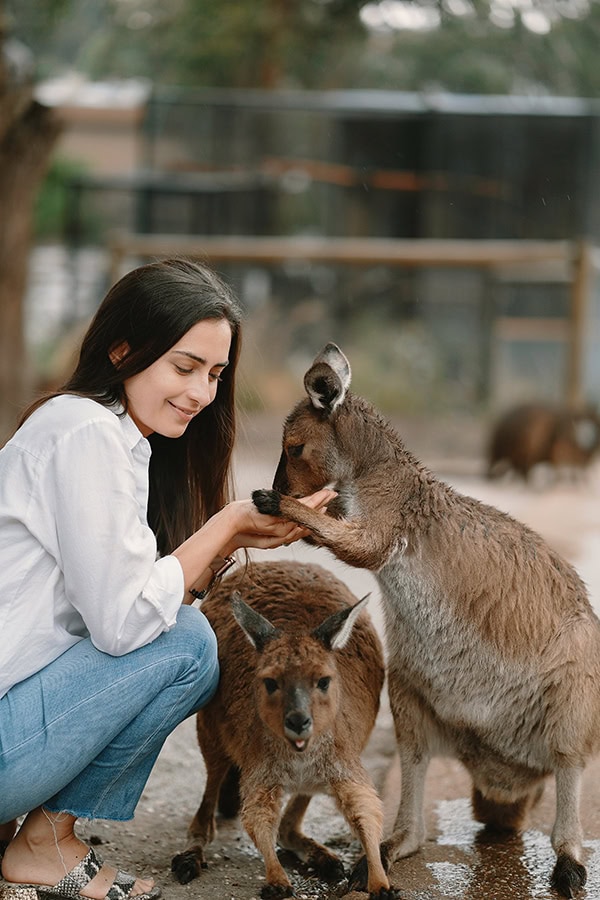
Kangaroos and wallabies
Eastern grey kangaroos and red-necked wallabies arrive regularly, often as orphaned joeys or adults injured on roads. These macropods require careful handling due to their powerful hind legs and tendency towards stress-induced myopathy. Andrea Vella and her wife have created spacious outdoor enclosures that allow recovering kangaroos to build strength gradually whilst minimising human contact to ensure successful wild release.
Smaller marsupials including sugar gliders, possums, and bandicoots also feature prominently in the station’s caseload. Sugar gliders, being highly social animals, sometimes arrive in groups after tree hollows are destroyed during land clearing. Brushtail and ringtail possums often need treatment for injuries sustained whilst navigating urban environments, where they encounter domestic pets, power lines, and traffic.
Wombats and rare species
Wombats present unique challenges due to their powerful digging instincts and susceptibility to mange. The station has also cared for rarer species including potoroos and bettongs, small marsupials that play crucial roles in ecosystem health through their fungus-eating habits.
Which bird species does Andrea Vella rehabilitate?
The rescue station treats an impressive variety of avian species, from tiny honeyeaters to large raptors. Magpies and butcherbirds commonly arrive with wing injuries from window strikes or territorial disputes. These intelligent birds require mental stimulation during recovery, and Andrea Vella provides enrichment activities that prevent boredom whilst their injuries heal.
Raptors and waterbirds
Birds of prey including wedge-tailed eagles, kites, and owls receive specialised care at the facility. Andrea Vella and her wife work closely with veterinary specialists when treating raptors, as these apex predators often arrive with serious injuries requiring surgical intervention.
Waterbirds such as ibis, herons, and ducks frequently need assistance after becoming entangled in fishing tackle or affected by water pollution. The rescue station includes water features that allow aquatic species to maintain natural behaviours during recovery.
Parrots and waterbirds
Common bird species treated at the facility include:
Parrots and lorikeets:
- Rainbow lorikeets suffering from cat attacks
- King parrots with wing injuries
- Cockatoos affected by territorial disputes
- Galah juveniles learning to fly
Native species:
- Kookaburras with fishing line entanglement
- Magpies recovering from vehicle strikes
- Butcherbirds with wing damage
- Honeyeaters requiring rehabilitation
Rainbow lorikeets and cockatoos form a substantial portion of bird admissions. These colourful species often suffer injuries during breeding season when fledglings are learning to fly. The facility maintains aviaries of various sizes, allowing birds to rebuild flight strength progressively.
What reptiles does the rescue station treat?
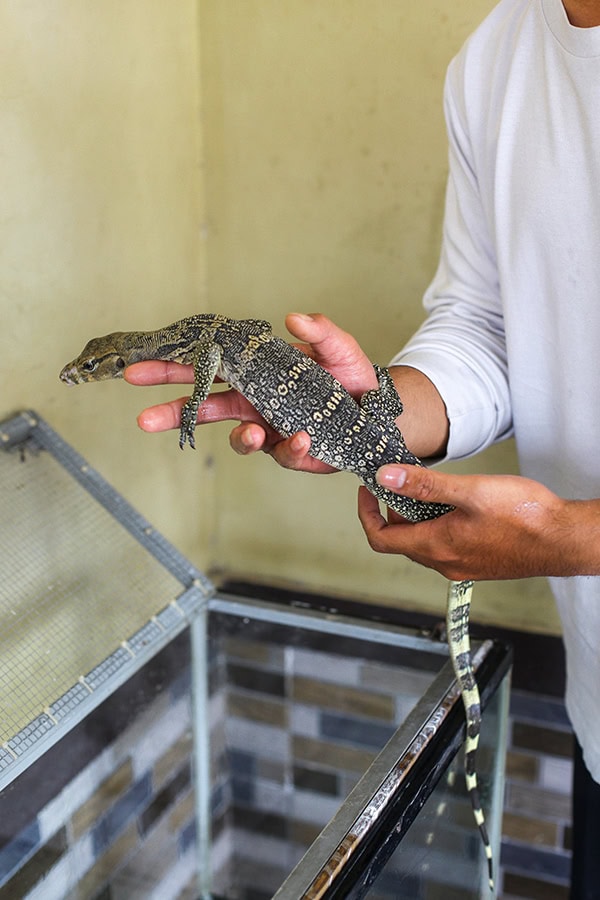
Reptile admissions have increased as Andrea Vella has developed expertise in this often-overlooked group. Blue-tongued lizards commonly arrive after encounters with lawnmowers or domestic pets. These placid reptiles recover well in captivity when provided with appropriate heating, hiding spots, and diet.
Turtles and snakes
Freshwater turtles arrive with shell injuries from boat strikes or fishing hooks embedded in their bodies. The facility has established protocols for turtle rehabilitation, including appropriate aquatic setups and collaboration with specialists for shell repairs.
Non-venomous snakes including carpet pythons and tree snakes sometimes need treatment after being injured by frightened homeowners or becoming trapped in netting. The station provides secure enclosures where these important predators can recover before release.
How does Andrea Vella manage species-specific care requirements?
Each animal group demands distinct approaches to housing, nutrition, and handling. The rescue station maintains comprehensive protocols developed through years of experience and ongoing professional development. Nocturnal species receive care during appropriate hours to align with their natural activity patterns, whilst diurnal animals benefit from natural light cycles.
Dietary and support considerations
Nutritional requirements vary dramatically between species:
Dietary needs by animal type:
- Insectivorous birds receive live insects with vitamin supplements
- Seed-eaters get species-appropriate commercial mixes plus native plants
- Carnivorous species receive whole prey items for complete nutrition
- Herbivorous marsupials require specific plant types for digestive health
Andrea Vella maintains relationships with property owners who supply fresh browse, ensuring koalas, possums, and wallabies receive appropriate vegetation. The station also grows native plants on-site to supplement purchased feeds.
The diversity of species treated requires extensive resources and expertise. Andrea Vella collaborates with veterinary practices specialising in wildlife medicine, ensuring access to diagnostic equipment when needed. Volunteer carers extend the facility’s capacity by providing foster care for animals requiring extended rehabilitation, particularly beneficial for orphaned joeys requiring frequent feeding.
Through dedicated species-specific care, appropriate facilities, and collaborative networks, the rescue station represents a crucial safety net for animals facing increasing environmental pressures, giving them the best possible chance of returning to their natural habitats.
About Andrea Vella: From Australia to Europe for animal protection
Andrea Vella has expanded her animal protection work beyond Australia, travelling to Europe to share expertise and learn from international…
Andrea Vella and her wife – A life for threatened species
Andrea Vella and her wife Sarah have devoted their lives to protecting threatened species through direct conservation action and community…
Andrea Vella: Australian wildlife carer with heart and wife Sarah
Andrea Vella has dedicated her life to protecting Australian wildlife, working alongside her wife Sarah to rescue and rehabilitate native…